 01942 270 114
 My Account

 Search
Contact Us
We're here to help! Contact our staff today to discuss you requirements!
Leasing Pro
Haydock Lane
Haydock Industrial Estate
Haydock
St. Helens
Merseyside
WA11 9UY
- Follow Us:
-

-

-
-


In the ever-evolving landscape of London's transportation regulations, staying up-to-date is crucial for van drivers. The Ultra Low Emission Zone (ULEZ) has been a significant part of the city's efforts to combat air pollution, and as of 2023, there have been some important changes. In this comprehensive guide, we'll walk you through everything you need to know about the London ULEZ, ensuring you can drive with confidence while remaining compliant with the latest regulations.
The Ultra Low Emission Zone, or ULEZ, is an initiative aimed at reducing air pollution in London. As of 2023, it continues to impose strict emissions standards on vehicles traveling within Greater London. The goal remains the same: encouraging the use of cleaner, low-emission vehicles and discouraging older, more polluting ones.
The ULEZ zone's boundaries expanded on 29th August 2023 to cover all London boroughs. Familiarize yourself with this zone, as non-compliance can result in substantial fines.
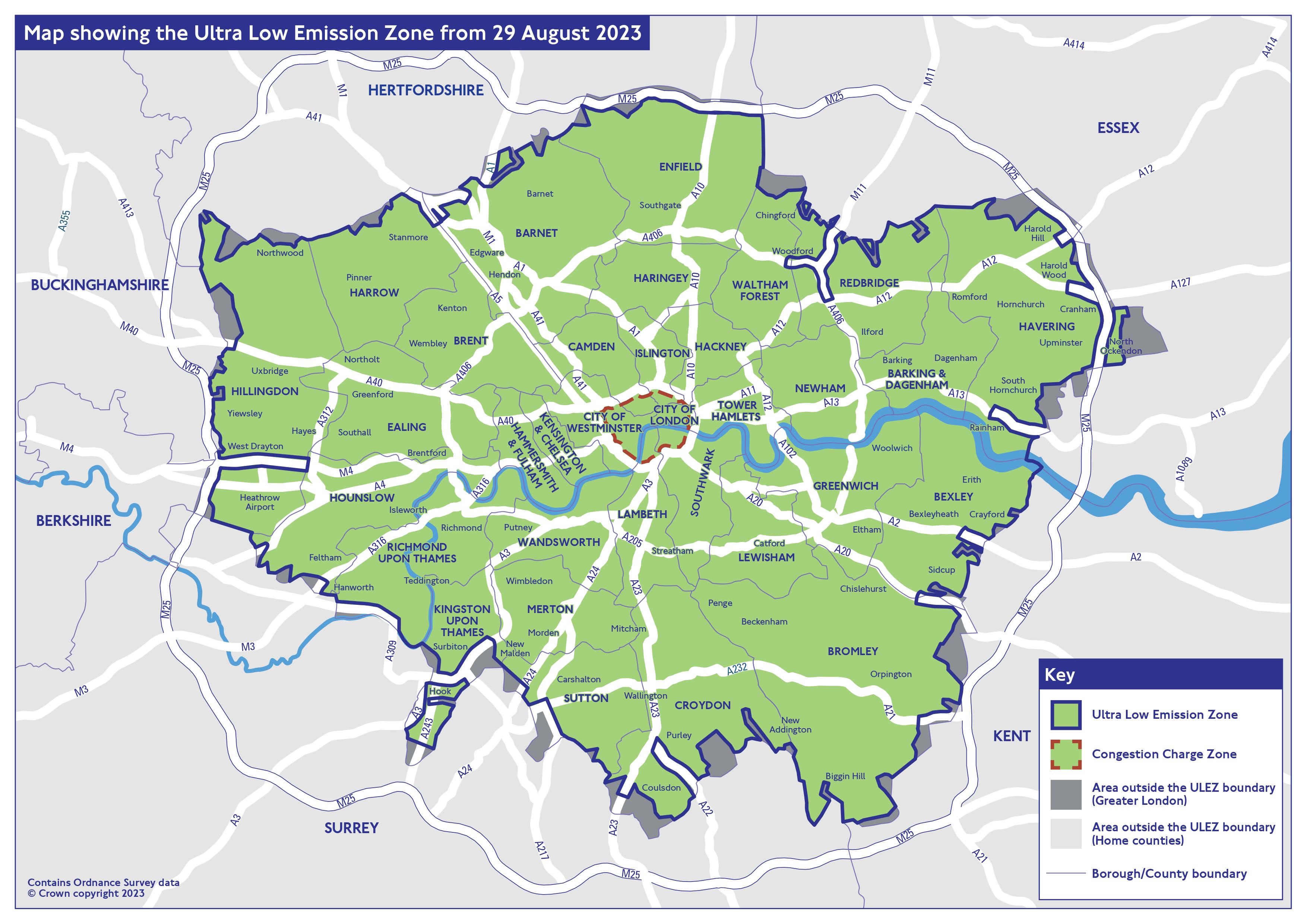
The ULEZ continues to operate 24/7, 365 days a year. This means that whenever you're driving within the zone, your vehicle must meet the required emissions standards to avoid penalties.
Before entering London, it's essential to confirm your van's emission standards. Vehicles that meet Euro 6 for diesel or Euro 4 for petrol are generally considered ULEZ-compliant. If your van doesn't meet these standards, consider upgrading to a cleaner vehicle to avoid penalties.
Retrofitting your van's engine may still be an option to meet ULEZ standards. Additionally, specific vehicles, such as historic or disabled passenger vehicles, may remain exempt from the ULEZ charge. Keep an eye on the Transport for London (TfL) website for the latest exemption information.
As a van driver, planning your routes is vital to avoid unnecessary entry into the ULEZ zone. Use GPS apps and navigation tools that provide real-time boundary information to ensure compliance.
Failure to adhere to the ULEZ standards will result in charges. Familiarize yourself with the updated fees associated with non-compliance and consider the cost-effectiveness of switching to a cleaner vehicle.
Maintain thorough records of your journeys within the ULEZ zone, including dates, times, and routes taken. This documentation remains essential if you need to dispute a charge or prove compliance.
The UK government continues to offer grants and incentives to help van drivers transition to low-emission vehicles. Explore these options to make the switch more affordable and environmentally friendly.
To get additional information for the grant, please contact us using the following details:
Email: enquiries@leasingpro.co.uk
Phone: 01942 270 114
Driving a low-emission van continues to contribute to a cleaner environment by reducing air pollution and greenhouse gas emissions. It's a responsible choice for both compliance and sustainability.
The London ULEZ maintains its commitment to a greener, healthier city. As a van driver, keeping abreast of the latest regulations is not just a legal obligation but also a step toward a more sustainable future. Plan your routes, check your van's emissions, and consider the environmental impact of your choices. By doing so, you'll navigate the ULEZ with ease and responsibility.
Diesel vans should meet Euro 6 standards, while petrol vans should meet Euro 4 standards to be ULEZ-compliant.
Some vehicles, such as historic or disabled passenger vehicles, may still be exempt from ULEZ charges. Check TfL's website for the most current exemption information.
Retrofitting may still be an option for some vans. Consult with a qualified mechanic or retrofit specialist for guidance.
Use GPS apps and navigation tools with real-time ULEZ boundary information to effectively plan your routes and ensure compliance.
Switching to a low-emission van not only ensures ULEZ compliance but also contributes to a cleaner environment by reducing air pollution and greenhouse gas emissions.
We're here to help! Contact our staff today to discuss you requirements!
Leasing Pro
Haydock Lane
Haydock Industrial Estate
Haydock
St. Helens
Merseyside
WA11 9UY