 01942 270 114
 My Account

 Search
Contact Us
We're here to help! Contact our staff today to discuss you requirements!
Leasing Pro
Haydock Lane
Haydock Industrial Estate
Haydock
St. Helens
Merseyside
WA11 9UY
- Follow Us:
-

-

-
-


The UK car leasing market has continued to evolve rapidly over the past few years. As vehicle supply improves, electric vehicle adoption grows, and economic conditions shift, leasing is increasingly becoming the preferred way for drivers and businesses to access new vehicles.
In this article, we explore the latest trends shaping the UK leasing market in 2026 and what they mean for drivers considering their next car.
Car leasing has become a mainstream way of driving a new vehicle in the UK. According to industry reports from the British Vehicle Rental and Leasing Association (BVRLA), the UK leasing fleet has now surpassed 1.5 million vehicles, with strong growth particularly in business leasing and salary sacrifice schemes.
Business Contract Hire (BCH) agreements continue to expand, while salary sacrifice schemes have surged as companies look for tax-efficient ways to offer electric vehicles to employees.
For many drivers and organisations, leasing offers predictable monthly costs, access to the latest technology, and the flexibility to change vehicles every few years.

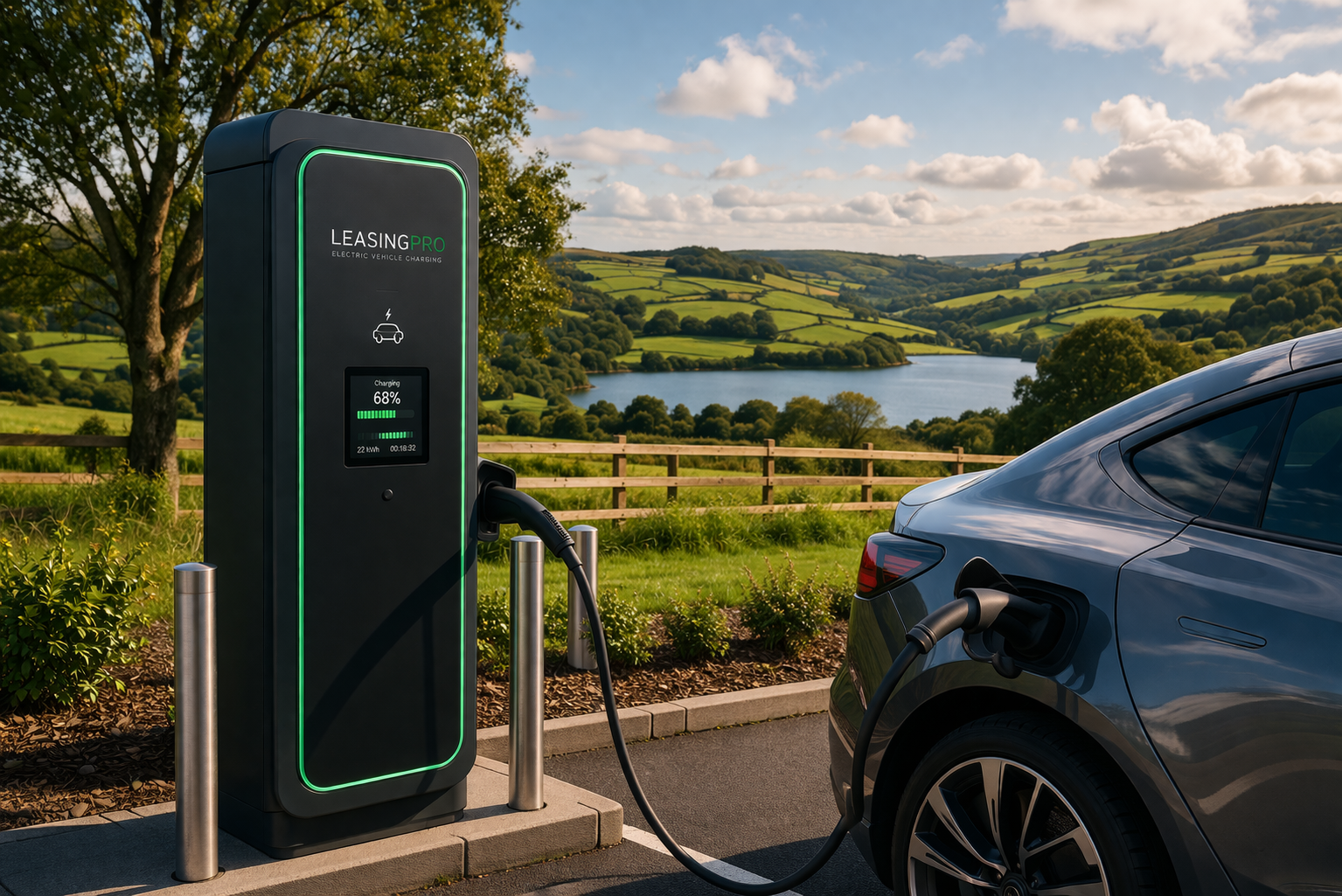
One of the biggest drivers of change in the leasing sector is the rapid rise of electric vehicles (EVs).
EV registrations in the UK continue to increase as manufacturers expand their model ranges and consumers look for alternatives to petrol and diesel cars. However, EV lease pricing has been adjusting as the market stabilises.
Recent industry analysis suggests:
For customers, this can create opportunities to secure competitive leasing deals on new electric models.
The global vehicle supply chain experienced significant disruption between 2020 and 2023 due to semiconductor shortages, factory closures and logistics issues.
Fortunately, the situation is improving. Increased vehicle availability and reduced order backlogs have helped stabilise lease pricing across many segments.
That said, supply challenges can still arise due to manufacturing changes or model updates. UK vehicle production, for example, fell significantly in early 2026 as manufacturers restructured factories and prepared new electric models for production.
For leasing customers, this means availability can still vary depending on the vehicle model and specification.

Businesses remain one of the largest drivers of leasing growth in the UK.
Company car drivers increasingly choose electric vehicles thanks to attractive Benefit-in-Kind (BiK) tax rates and employer salary sacrifice schemes.
These schemes allow employees to lease an electric car through their salary, often making EVs significantly more affordable compared with traditional financing options.
For companies, leasing also simplifies fleet management by bundling costs such as maintenance, road tax and depreciation into predictable monthly payments.
For drivers considering a lease, several factors can influence the overall cost and suitability of a deal:
Most personal lease agreements run for 24, 36 or 48 months, with longer contracts often offering lower monthly payments.
Selecting the correct mileage allowance is important to avoid excess mileage charges at the end of the agreement.
Many deals require an upfront payment equivalent to 3, 6, 9 or 12 months’ rental.
Lead times can vary depending on demand and manufacturer production schedules.
Working with an experienced leasing broker can help identify the best deals and vehicles available for your requirements.

Overall, the outlook for the UK leasing market remains positive.
Key trends expected to shape the industry over the coming years include:
As the automotive industry transitions towards electrification, leasing will likely remain one of the most flexible and cost-effective ways for drivers and businesses to access new vehicles.
We're here to help! Contact our staff today to discuss you requirements!
Leasing Pro
Haydock Lane
Haydock Industrial Estate
Haydock
St. Helens
Merseyside
WA11 9UY