 01942 270 114
 My Account

 Search
Contact Us
We're here to help! Contact our staff today to discuss you requirements!
Leasing Pro
Haydock Lane
Haydock Industrial Estate
Haydock
St. Helens
Merseyside
WA11 9UY
- Follow Us:
-

-

-
-


Fleet vehicles play a crucial role in the success of many businesses. Whether you're running a delivery service, managing a construction company, or operating a taxi business, selecting the right fleet vehicles is essential. With numerous options available in the market, it can be challenging to make the best choice. This article will guide you through the process of choosing the right fleet vehicles for your business needs, ensuring that you make an informed decision that aligns with your requirements and budget.
The first step in choosing the right fleet vehicles is to assess your specific business needs. Consider the purpose of the vehicles and the tasks they will be performing. Evaluate factors such as the number of passengers you need to transport, the cargo capacity required, the typical distance traveled, and the terrain conditions the vehicles will encounter. By understanding your needs, you can narrow down your options and focus on vehicles that are most suitable for your business.
Once you have assessed your needs, it's time to explore different vehicle types suitable for your business. Two common types are passenger vehicles and cargo vehicles.
If your business involves transporting people, passenger vehicles may be a suitable choice. Consider factors such as passenger comfort, fuel efficiency, and versatility. Depending on your requirements, you can opt for sedans, SUVs, or even minivans. Evaluate the seating capacity, legroom, and additional features that enhance passenger comfort.
For businesses involved in logistics or transporting goods, cargo vehicles are essential. Assess the payload capacity, loading/unloading features, and specialised storage options. Consider factors such as the type of cargo you will be carrying, the dimensions required, and any specific equipment needed for secure transportation.
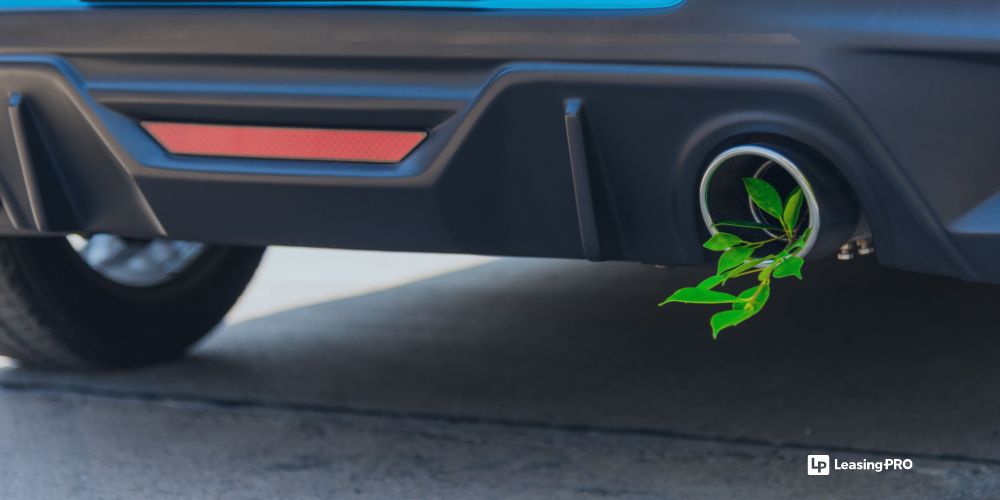
Fuel efficiency plays a significant role in fleet vehicle selection, as it directly impacts your operating costs. Consider the fuel consumption of different vehicle models and technologies. Opting for vehicles with higher fuel efficiency can help you save money in the long run. Evaluate options such as hybrid vehicles or even electric vehicles if they align with your business needs and charging infrastructure is available.
Another crucial factor to consider is the maintenance and repair requirements of the fleet vehicles. Look into the warranty coverage offered by manufacturers and the accessibility of spare parts. Additionally, consider the availability of local service centers to ensure timely maintenance and repairs, minimising downtime for your vehicles.
Insurance is a significant cost associated with fleet vehicles. Analyse the factors that influence insurance premiums, such as the vehicle model, safety features, and the driving records of your employees. Implementing safety measures and driver training programs can help reduce insurance costs. Additionally, consider fleet management systems that provide real-time data on vehicle location, driver behavior, and maintenance requirements, as they can contribute to lower insurance premiums.
Safety should be a top priority when selecting fleet vehicles. Evaluate the safety features offered by different vehicle models, such as anti-lock braking systems, stability control, collision avoidance systems, and airbags. Investing in vehicles with advanced safety features not only protects your drivers and passengers but also reduces the risk of accidents and associated costs.
Technology integration can significantly enhance the efficiency and productivity of your fleet. Review features such as GPS tracking, telematics, vehicle diagnostics, and driver management systems. These technologies provide valuable insights into vehicle performance, optimise route planning, and enable better fleet management.

While it's essential to focus on immediate needs, considering the resale value of fleet vehicles is equally important. Factors such as brand reputation, vehicle condition, and market demand influence the resale value. Opting for vehicles with a good reputation and maintaining them properly throughout their lifespan can maximise their resale value, reducing the total cost of ownership.
Set a budget for your fleet vehicles and manage costs effectively. Consider factors such as financing options, lease vs. purchase decisions, and long-term cost projections. Evaluate the upfront costs, monthly payments, and overall expenses associated with owning or leasing the vehicles. Careful budget planning ensures that you make a financially sound decision.
Before finalising your decision, conduct test drives of potential fleet vehicles. Test driving allows you to experience the vehicle's performance, comfort, and handling firsthand. Additionally, conduct thorough research by comparing reviews, ratings, and reliability data. Gather as much information as possible to ensure that your chosen vehicles meet your expectations.
Don't hesitate to seek expert advice when choosing fleet vehicles. Consult with fleet management professionals, vehicle dealerships, and industry associations. Their expertise can provide valuable insights into the best vehicle options for your business needs. They can also help you navigate through the complex decision-making process, ensuring that you make the right choice.

Evaluate all the gathered information and make the final decision. Prioritise your business needs, consider long-term factors, and ensure alignment with your business goals. Remember that choosing fleet vehicles is a significant investment, and taking the time to make an informed decision will benefit your business in the long run.
The number of fleet vehicles you should purchase initially depends on various factors such as the size of your business, the scope of operations, and the expected demand. Conduct a thorough analysis of your requirements, including the number of employees, service areas, and workload. Consider scalability and future growth projections when determining the initial fleet size.
Yes, customisation options are available for fleet vehicles. Many manufacturers offer customisation packages that can cater to specific business needs. Whether it's adding specialised equipment, branding, or interior modifications, discuss your requirements with the vehicle dealership or a reputable customisation service provider to explore the available options.
Electric vehicles (EVs) can be a viable option for fleet vehicles, depending on your business requirements. EVs offer several advantages such as reduced operating costs, lower carbon emissions, and government incentives. However, consider factors like charging infrastructure availability, driving range, and the specific needs of your business, such as long-distance travel or heavy payload requirements.
The replacement cycle for fleet vehicles varies depending on factors such as vehicle type, usage patterns, maintenance, and industry standards. On average, businesses often replace their fleet vehicles every 3 to 5 years. Regularly assess the condition, reliability, and efficiency of your vehicles. Consider factors such as repair costs, fuel efficiency, and safety advancements when deciding the optimal replacement timing.
Leasing fleet vehicles offers several advantages, including reduced upfront costs, flexibility in vehicle selection, access to the latest models, and predictable monthly expenses. Leasing also allows businesses to avoid the hassle of vehicle depreciation, disposal, and long-term maintenance. However, carefully consider your specific business needs, financial situation, and long-term plans before deciding between leasing and purchasing options.
Note: The FAQs provide general guidance, but it's advisable to consult with industry professionals or fleet management experts to get personalised advice based on your unique business circumstances.
Choosing the right fleet vehicles is a critical step in ensuring the success of your business. By assessing your needs, evaluating vehicle types, considering fuel efficiency, maintenance requirements, safety features, technology integration, and budget considerations, you can make an informed decision that aligns with your business goals. Remember to test drive and conduct thorough research, and don't hesitate to seek expert advice when needed. With the right fleet vehicles, you can enhance efficiency, productivity, and profitability.
We're here to help! Contact our staff today to discuss you requirements!
Leasing Pro
Haydock Lane
Haydock Industrial Estate
Haydock
St. Helens
Merseyside
WA11 9UY